Tender Chicken Pho (Phở Gà) Recipe, Easy Vietnamese Breakfast in 1 Hour
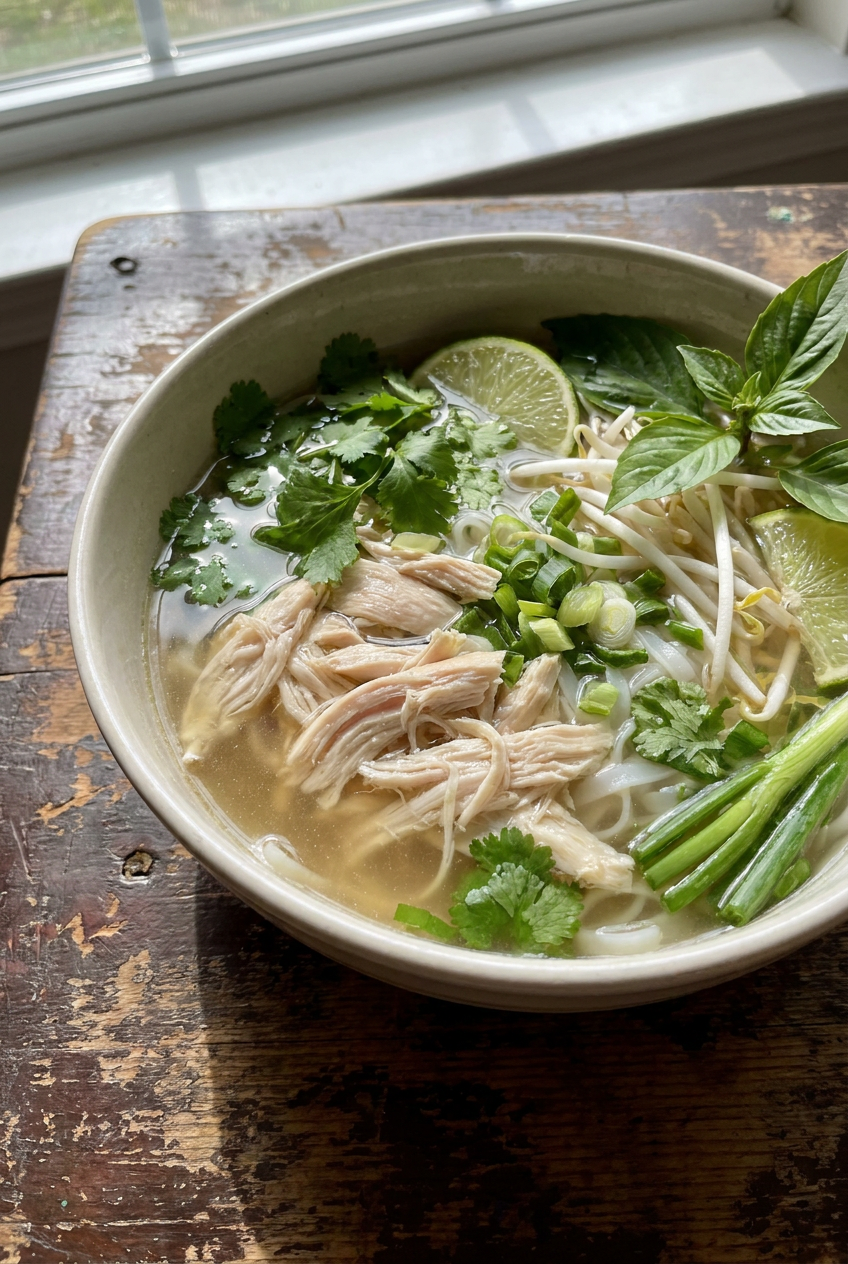
Table of Contents
- Tender Chicken Pho (Phở Gà): A Fragrant and Comforting Vietnamese Chicken Noodle Soup
- Why You Will Love This Tender Chicken Pho (Phở Gà) Recipe
- Your Simple Ingredients for the Perfect Tender Chicken Pho (Phở Gà)
- How to Make Perfect Tender Chicken Pho (Phở Gà)
- Pro Tips and Easy Variations for Your Tender Chicken Pho (Phở Gà)
- Serving Suggestions
- Nutrition Information
- Storage and Make-Ahead Instructions
- Your Tender Chicken Pho (Phở Gà) Questions Answered
- More Incredible Vietnamese Recipes to Try
- The Story Behind This Recipe
- Pin This Tender Chicken Pho (Phở Gà) Recipe for Later
Tender Chicken Pho (Phở Gà): A Fragrant and Comforting Vietnamese Chicken Noodle Soup
This tender chicken pho (phở gà) recipe brings the soul of Vietnamese home cooking straight into your kitchen, and I still remember the first time I truly understood its magic. It was a drizzly Tuesday morning in Hanoi’s Old Quarter, and my friend Minh, a local artist who painted watercolors of street vendors, pulled me into a tiny alleyway stall with low plastic stools and steam rising from enormous simmering pots. The woman behind the counter, her face weathered and kind, handed me a bowl that smelled like warm spice, fresh herbs, and something deeply soothing I could not quite name. She had been making phở gà the same way for forty years, she told Minh, using her grandmother’s method of slowly coaxing flavor from bones, charred roots, and toasted spices until the broth became something almost luminous. That bowl was a revelation. The chicken fell apart at the slightest touch of my chopsticks. The noodles were silky and slippery. The broth tasted clean and complex all at once, nothing like the muddled, overly salted versions I had tried back home. I asked if I could watch her process, and for the next two hours, I sat beside her as she talked me through every detail, from washing the bones to skimming foam with infinite patience. That memory lives in my heart, and every time I make this soup, I feel connected to that quiet morning, to the woman’s steady hands, and to the generous spirit of Vietnamese home cooks who understand that the best food is never rushed.
What makes this tender chicken pho (phở gà) recipe different from countless others is its absolute devotion to clarity and balance. Many Western adaptations skip the charring step or toss everything into a pressure cooker, which can muddle the delicate layers of aroma that define a truly great broth. Here, we take the time to blacken onion and ginger over an open flame until their skins blister and smoke, releasing a subtle sweetness that simply cannot be replicated by roasting alone. We toast whole spices in a dry pan until they pop and release their essential oils, a step that transforms coriander seeds and star anise from pantry staples into fragrant treasures. We also parboil the chicken and discard the first water, which might seem wasteful but actually makes all the difference in achieving that crystal clear, pristine soup that is the hallmark of an expertly made pho. Every decision in this recipe serves a purpose, and together, they create a bowl of soup that feels both humble and extraordinary, the kind of meal that wraps around you like a warm blanket.
This recipe is for anyone who craves authentic comfort food made from scratch, whether you are new to Vietnamese cooking or you have been simmering pho for years. It works beautifully on a lazy Sunday morning when you want the whole house to fill with the smell of cinnamon and ginger, but it also shines as a restorative weeknight dinner when you need something nourishing and soulful without hours of active work. I love making it when friends come over for a casual gathering because the assembly is interactive and joyful, everyone gets to customize their own bowl with herbs and lime and chili, and there is something deeply communal about slurping noodles together. If you enjoy exploring global comfort foods like a fragrant Moroccan chicken tagine, you will appreciate the slow simmering and aromatic layering that makes this dish so special. Once you master the gentle rhythm of this recipe, it will become one of your most treasured kitchen rituals, I promise.
Why You Will Love This Tender Chicken Pho (Phở Gà) Recipe
- A broth that tastes like it simmered all day in under an hour. The combination of charred aromatics, toasted spices, and a gentle simmer extracts maximum depth from chicken thighs in just 30 to 40 minutes. You get a richly flavored, golden broth that feels slow cooked without spending half your day at the stove.
- Perfectly tender chicken every time. By using bone-in, skin-on thighs and monitoring the internal temperature, you avoid the rubbery, overcooked meat that plagues so many chicken soups. The meat stays juicy and shreds effortlessly, exactly as it should.
- That pristine, clear broth you see in restaurants is achievable at home. The parboiling step and the disciplined low simmer remove impurities that cloud the soup, so your final bowl looks as beautiful as it tastes. Friends and family will think you trained with a Vietnamese grandmother.
- Customizable in a way that makes everyone happy. With a platter of fresh herbs, bean sprouts, lime wedges, and sauces, each person builds the bowl that speaks to them. It turns dinner into an experience rather than just a meal.
- Naturally light yet deeply satisfying. Unlike beef pho, which can feel heavy, this chicken version is bright and lean while still delivering that warm, spiced comfort you want from a noodle soup. It leaves you feeling nourished, not weighed down.
- An authentic taste of Vietnam from your own pot. With real whole spices, fish sauce, and the proper charring technique, you capture the essence of northern Vietnamese phở gà without needing hard to find ingredients. The flavors transport you, even if you are landlocked and far from Hanoi.
Your Simple Ingredients for the Perfect Tender Chicken Pho (Phở Gà)
Main
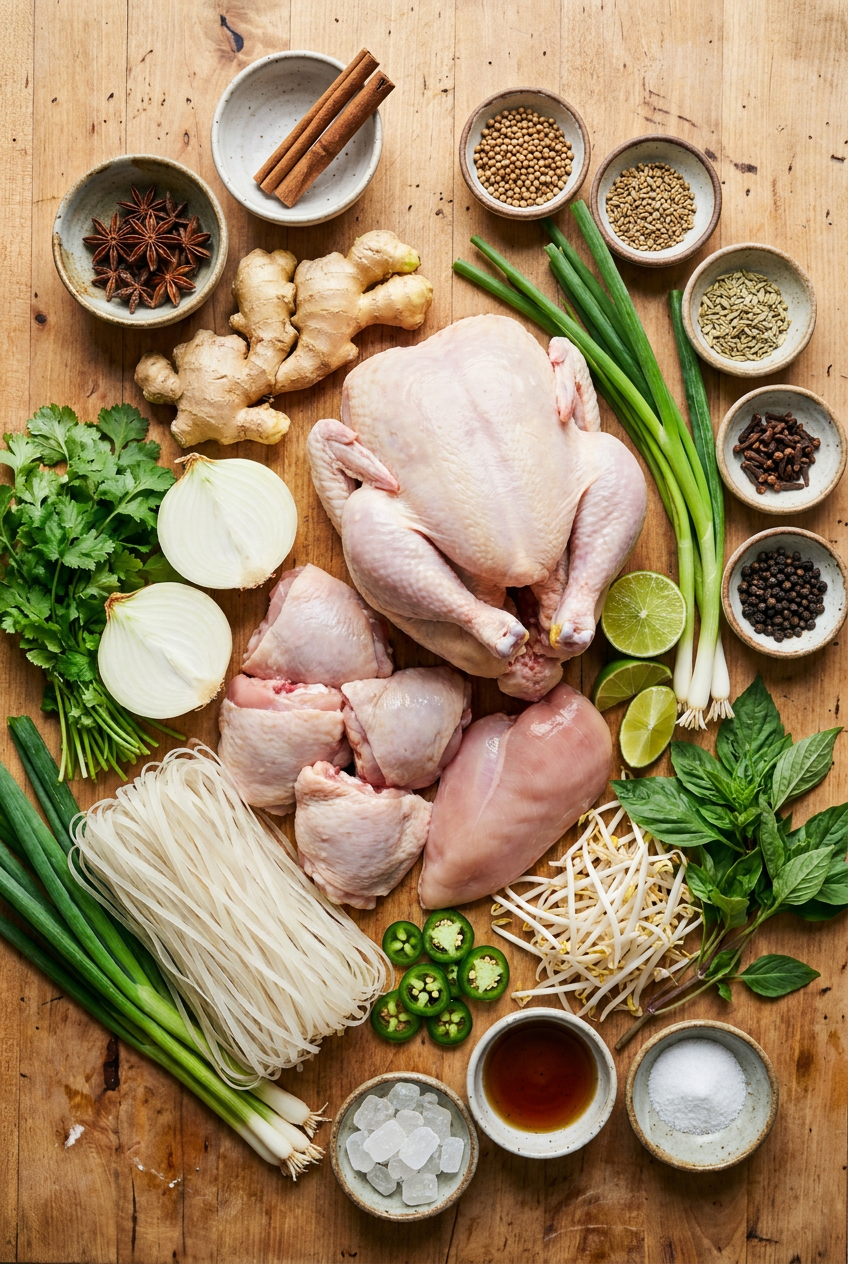
- 2 lbs bone-in, skin-on chicken thighs, excess fat trimmed
- 10 cups cold water
- 1 large yellow onion, halved and charred
- 4-inch fresh ginger, sliced lengthwise and charred
- 4 star anise, toasted
- 1 cinnamon stick, toasted
- 1 tbsp coriander seeds, toasted
- 1 tsp fennel seeds, toasted
- 3 whole cloves
- 2 tbsp fish sauce
- 1 tbsp rock sugar or 2 tsp brown sugar
- 1 tsp sea salt or to taste
- 1 lb dried flat rice noodles (bánh phở), medium width, cooked per package
Garnishes
- 1 cup bean sprouts, raw, rinsed
- 1/2 cup Thai basil leaves, whole
- 1/4 cup cilantro, roughly chopped
- 1 lime, cut into wedges
- 2 fresh jalapeños, thinly sliced
- 2 stalks green onions, thinly sliced
- hoisin sauce and sriracha, to taste, for dipping
Ingredient Notes
Bone-in, skin-on chicken thighs are the single most important choice for building a broth with genuine body and flavor. The bones release gelatin and minerals as they simmer, giving the soup a silky texture that boneless cuts simply cannot provide. The skin contributes a subtle richness, and the dark meat stays moist and tender even after cooking. Look for thighs with a pink, fresh appearance and trim any large deposits of fat before starting. If you can only find boneless thighs, you can use them, but add a few chicken backs or wings to compensate for the missing bones.
Whole spices, including star anise, cinnamon, coriander seeds, fennel seeds, and cloves, form the unmistakable aromatic backbone of authentic pho. The floral, slightly licorice notes of star anise and the warm sweetness of cinnamon define the soup’s signature fragrance. Always buy whole spices and toast them yourself, pre ground powders lose their volatile oils quickly and cannot deliver the same dimension. If you are missing one spice, you can still proceed, the broth will be slightly different but still lovely.
Fish sauce is the umami engine of the broth, introducing a savory depth that salt alone cannot achieve. Good fish sauce should have a clear, reddish amber color and smell briny and oceanic, not harsh or chemical. Brands like Red Boat or Three Crabs are reliable. If you need a substitute, soy sauce will work in a pinch, but it will shift the flavor away from traditional Vietnamese character.
Rock sugar adds a gentle, rounded sweetness that balances the savory and aromatic elements without making the broth taste sugary. It dissolves slowly and mellows the sharp edges of the spices. If you cannot find rock sugar, light brown sugar is an acceptable substitute, use a bit less than the recipe calls for and adjust gradually.
Flat rice noodles, or bánh phở, are essential for the right texture. They should be medium width, about the size of fettuccine, with a tender but slightly chewy bite. Do not be tempted to use wheat noodles or vermicelli here, as they absorb broth differently and change the whole mouthfeel of the dish. Cook them just until al dente according to the package, and rinse them under warm water to prevent sticking.
Fresh herbs and garnishes are not optional extras, they complete the bowl. Thai basil has a spicier, more anise-like flavor than Italian basil and holds up better in hot broth. Cilantro adds brightness, bean sprouts bring crunch, and lime juice cuts through the richness. Jalapeños offer heat, and the hoisin-sriracha combo provides a sweet, spicy dipping sauce for the chicken. Use whatever combination appeals to you, but do include at least the herbs, lime, and bean sprouts for a true experience.
How to Make Perfect Tender Chicken Pho (Phở Gà)
Phase 1: Char the Aromatics
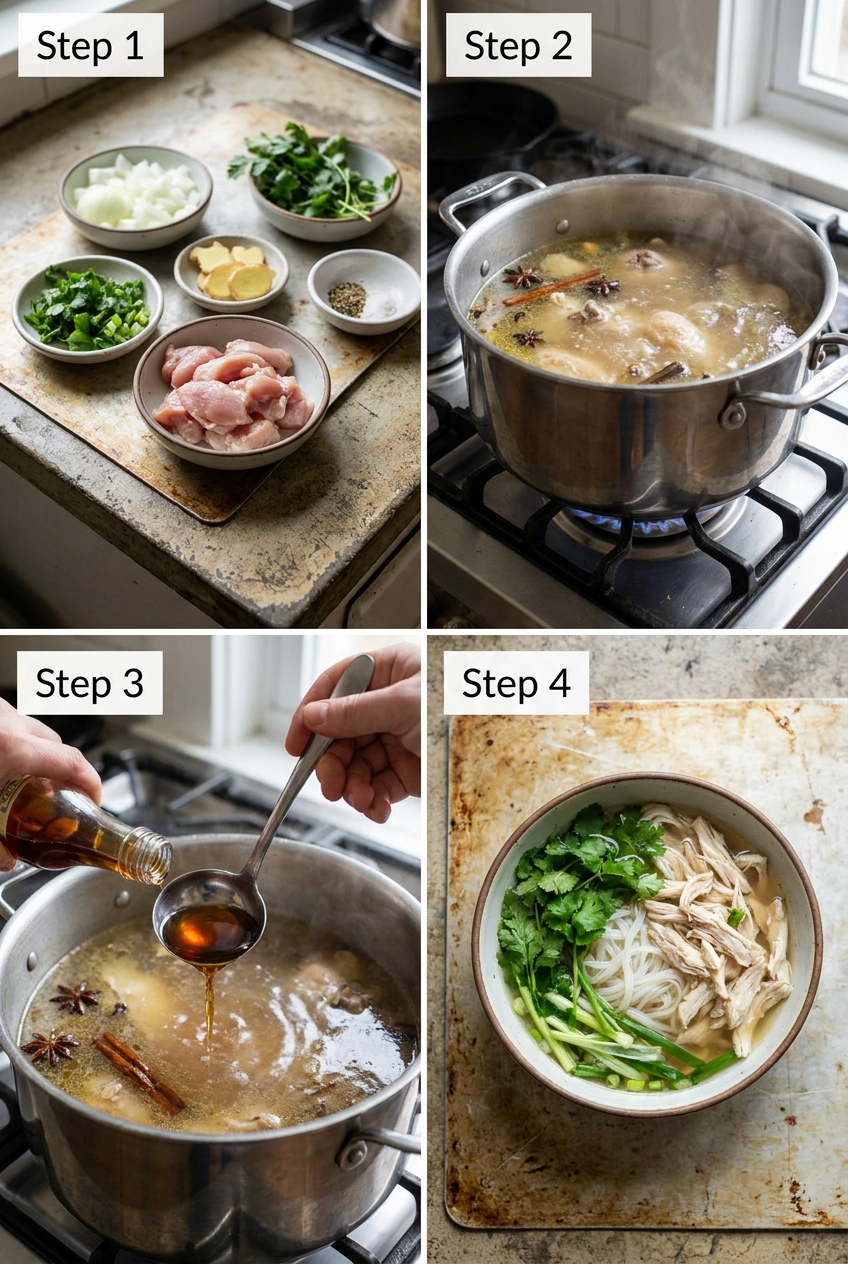
Place the onion halves and ginger slices cut side down directly on the grates of a gas burner set to medium heat. Let them sit undisturbed for 3 to 4 minutes, until the surfaces blacken deeply and you can smell a smoky, sweet fragrance rising from the skins. If you do not have a gas stove, arrange the onion and ginger cut side up on a baking sheet and position them 4 inches under a broiler, watching closely until charred. You want dark brown to black patches, not ash, and the onion should soften slightly inside. Once charred, allow the aromatics to cool enough to handle, then rinse them gently under cool running water to remove any loose black flakes. Do not scrub aggressively or you will wash away the flavor you just created. Set them aside and take a moment to appreciate how your kitchen already smells like something wonderful is happening. This step is the quiet secret behind a broth with real soul, and skipping it will result in a flatter, less complex soup.
Phase 2: Toast the Spices
Warm a small, dry skillet over medium heat. Add the star anise, cinnamon stick, coriander seeds, fennel seeds, and cloves. Shake the pan gently and let the spices toast for 1 to 2 minutes, just until you can see a faint wisp of smoke and the air fills with a heady, perfumed aroma. The coriander seeds may pop slightly and the cinnamon stick will begin to uncurl a little, these are signs you are on the right track. Remove the spices from the heat immediately to prevent burning, which would introduce bitterness into your broth. Transfer the toasted spices to a spice bag or a square of cheesecloth tied securely with kitchen twine. This little parcel will infuse the broth beautifully while keeping the solids contained, so you do not have to fish out stray cloves later.
Phase 3: Parboil the Chicken
Place the trimmed chicken thighs in a large, heavy bottomed pot and pour in enough cold water to cover them by about an inch. Set the pot over high heat and bring the water to a full, rolling boil. Let the chicken boil for exactly 3 minutes, you will notice a grayish foam and scum rising to the surface, which consists of coagulated proteins and impurities that would otherwise cloud your final broth. Drain the chicken into a colander and dump out the water. Rinse the thighs under cool running water, rubbing off any clinging residue, and wash the pot thoroughly. This quick parboil may seem fussy, but it is the most reliable way to achieve a brilliantly clear soup, and it takes only a few extra minutes. The chicken will look pale and partially cooked at this stage, which is exactly right.
Phase 4: Build and Simmer the Broth
Return the rinsed chicken thighs to the clean pot and add 10 cups of fresh cold water. Tuck in the charred onion halves and ginger slices, then drop in the spice bag. Pour in the fish sauce, add the rock sugar, and sprinkle in the sea salt. Set the pot over medium heat and bring the liquid to a gentle simmer, you want to see small, lazy bubbles breaking the surface, never a hard, churning boil. Partially cover the pot with a lid, leaving a gap for steam to escape, and adjust the heat to maintain that bare simmer. Let the broth cook for 30 to 40 minutes, skimming off any foam or fat that collects on the surface every 10 minutes or so. The moment the broth is nearly ready, the aroma of star anise and ginger will be unmistakable, and the chicken will be cooked through when a meat thermometer inserted into the thickest part reads 165°F (74°C). This patient, low heat method is what separates a homemade tender chicken pho (phở gà) recipe from a rushed, murky one. Much like perfecting fluffy Japanese souffle pancakes, controlling temperature is everything.
Phase 5: Shred the Chicken and Deepen the Broth
Using a pair of sturdy tongs, carefully lift the cooked chicken thighs from the pot and transfer them to a plate to cool for a few minutes. When they are cool enough to handle, peel off and discard the skin, pull the meat from the bones, and shred it into bite size pieces with your fingers or two forks. Cover the shredded chicken to keep it warm while you finish the soup. For an even richer stock, return the bare bones to the pot and let them simmer for another 10 to 15 minutes. This extra step extracts any remaining gelatin and deepens the savory character of the broth without requiring any additional effort. After simmering the bones, strain the broth through a fine mesh sieve into a clean pot, pressing gently on the solids to release their liquid. Discard everything in the strainer: the spent spices, onion, ginger, and bones have given all they can.
Phase 6: Season, Noodles, and Assemble
Taste the strained broth and adjust the seasoning with additional fish sauce or salt until it tastes deeply savory with a faint sweet roundness and no single element screaming for attention. Keep the broth hot over the lowest possible heat while you prepare the noodles. Cook the dried flat rice noodles according to the package directions, which typically involves soaking in hot water or a brief boil until they are tender but still have a slight chew. Drain them thoroughly and rinse under warm water to wash away excess starch. Divide the noodles evenly among four large, deep soup bowls. Top each mound of noodles with a generous portion of shredded chicken. Ladle the simmering broth over the top, making sure the noodles and chicken are completely submerged and instantly reheated. The broth should fill the bowl to just below the rim, and the steam should carry the scent of star anise and charred ginger straight to your nose. Serve immediately, alongside a platter piled high with bean sprouts, whole Thai basil leaves, chopped cilantro, lime wedges, sliced jalapeños, and green onions, with small dishes of hoisin sauce and sriracha on the side for dipping.
Pro Tips and Easy Variations for Your Tender Chicken Pho (Phở Gà)
Pro Tips
- Never let the broth boil vigorously. A hard boil agitates the proteins and fats, turning the broth cloudy and muddying the delicate flavors you have worked to build. A bare simmer, where the surface just trembles with occasional small bubbles, keeps the soup clear and clean tasting.
- Char onion and ginger over an open flame if possible. The direct contact with fire creates a distinct smokiness that is a hallmark of northern Vietnamese pho. Electric stovetop users can achieve similar results with a small kitchen torch or a well preheated cast iron pan pressed directly onto the cut sides.
- Toast spices until you can smell them from across the kitchen. The moment the oils in the star anise and coriander seeds bloom, they release their full aromatic potential. Stop toasting as soon as the fragrance intensifies; even ten extra seconds can tip them into bitterness.
- Use an instant read thermometer to check chicken doneness. Thighs can vary in size, and relying on time alone risks overcooking or undercooking. Pull the chicken at exactly 165°F (74°C) for meat that is fully cooked but still juicy and tender enough to shred beautifully.
- Layer your bowl thoughtfully. Place noodles in first, then chicken, then pour boiling broth over them to reheat everything in one motion. Finish with fresh herbs, bean sprouts, and a squeeze of lime right before eating to preserve their bright texture and flavor.
- Skim the broth patiently during simmering. Use a ladle or fine mesh skimmer to remove foam and fat droplets that rise to the surface. This simple habit results in a broth that looks as refined and clear as what you would find in a Hanoi pho shop.
Delicious Variations
- Spicy Chicken Pho. Add a thinly sliced bird’s eye chili directly to the broth during the last 10 minutes of simmering for a slow building heat. Alternatively, stir a generous spoonful of sambal oelek into each bowl just before eating for a brighter, fresher chili punch.
- Quick Weeknight Version. When time is tight, start with a high quality store bought chicken stock, roast a rotisserie chicken and shred the meat, then simmer the charred aromatics and toasted spices in the stock for just 15 to 20 minutes. The result is not as deep as the full recipe but still satisfying and miles ahead of instant noodles.
- Ginger Lover’s Pho. Slice an extra 2 inches of fresh ginger into matchsticks and add them to the broth during the last 5 minutes of simmering. The additional ginger blooms into a warm, spicy fragrance that pairs beautifully with the chicken and herbs.
- Green Herb Explosion. In addition to the standard garnishes, offer a plate of sawtooth herb, lemon balm, and perilla leaves if you can find them. This varied herb platter brings a more complex, layered aroma that is very traditional in some Vietnamese households.
- Double Aromatic Broth. After removing the chicken, add a few chicken backs or a carcass and continue simmering the broth for an extra hour. This extended simmer produces an even richer, more gelatinous stock that sets like jelly when chilled. It is perfect for a special occasion when you want to go all out. If you love morning comfort food, you might also enjoy blueberry lemon ricotta pancakes for a sweet counterpart to this savory start.
Serving Suggestions for a Perfect Breakfast or Light Meal
This tender chicken pho (phở gà) recipe shines brightest when served alongside a few well chosen accompaniments that round out the meal and let everyone interact with their food. A platter of Vietnamese spring rolls, crispy and golden, makes a wonderful textural contrast to the soft noodles and silky broth. For drinks, strong Vietnamese iced coffee with condensed milk is a classic pairing that balances the soup’s savory warmth with bitter sweetness and creamy richness. If you prefer something non caffeinated, a tall glass of iced jasmine tea cleanses the palate beautifully between spoonfuls. When presenting the herb platter, arrange the bean sprouts, basil, cilantro, lime wedges, and jalapeños in neat piles on a large wooden board or a few small plates scattered across the table. The act of tearing herbs and squeezing lime over the steaming bowl becomes part of the ritual, and your guests will love the hands on experience.
Pho is wonderful for so many occasions beyond a typical breakfast. It makes a restorative lunch when you are feeling under the weather or a light dinner after a long day when you crave something warm but not heavy. For a crowd, set up a DIY pho bar with the broth kept hot in a slow cooker, the shredded chicken in a covered dish, and bowls of noodles and garnishes lined up for self service. This setup works brilliantly for casual dinner parties, Sunday family lunches, or even a unique holiday brunch. To scale the recipe for more people, simply double the broth ingredients and cook the chicken in batches, keeping the first batch warm while the second simmers. Just be sure you have a pot large enough to accommodate the extra liquid without overcrowding, and adjust seasoning at the end since larger volumes can require a bit more fish sauce and salt.
Nutrition Information
(Approximate per serving, 4 servings total) Calories: 420, Fat: 10g, Carbohydrates: 48g, Protein: 35g, Fiber: 3g, Sodium: 820mg. Nutritional values are estimates only.
Storage and Make-Ahead Instructions
- Refrigerator: Store the strained broth and shredded chicken in separate airtight containers for up to 4 days. The broth may gelatinize when chilled, which is normal and a sign of its richness. Keep dried noodles uncooked; prepare them fresh just before serving.
- Freezer: The broth freezes beautifully for up to 3 months. Pour it into freezer safe containers or heavy duty bags, leaving an inch of headspace for expansion. Thaw overnight in the refrigerator before reheating.
- Reheating: Gently reheat the broth in a pot over medium low heat, never allowing it to reach a rolling boil to preserve its clear appearance. Warm the shredded chicken separately with a splash of broth to keep it moist. Cook fresh noodles for each serving.
- Make Ahead: Prepare the broth and chicken up to 3 days ahead and refrigerate. You can also char the onion and ginger, toast the spices, and trim the chicken a day in advance. On the day of serving, all you need to do is reheat the broth, cook noodles, and assemble bowls.
Your Tender Chicken Pho (Phở Gà) Questions Answered
Can I make this tender chicken pho (phở gà) recipe ahead of time?
Absolutely. The broth and chicken can be prepared in advance and stored in the refrigerator for up to 4 days. In fact, the broth often tastes even better the next day as the spices continue to meld. Just cook the noodles fresh when you are ready to serve so they retain their perfect texture.
What can I use instead of fish sauce?
If you need a substitute, soy sauce or tamari can provide a similar umami baseline, though the flavor profile will shift slightly. Start with half the amount and adjust upward because soy sauce can be saltier. For a closer match, look for a vegan fish sauce alternative made from seaweed and mushrooms.
How do I know when the chicken is perfectly cooked?
An instant read thermometer is your best friend here. Insert it into the thickest part of a thigh away from the bone. When it registers 165°F (74°C), the chicken is fully cooked and will be moist and tender. If you do not have a thermometer, the juices should run clear when you pierce the meat, and the flesh should feel firm but not rubbery.
My broth turned out cloudy. What did I do wrong?
Cloudy broth almost always results from boiling too vigorously or skipping the parboiling step. A rolling boil emulsifies fat and protein particles into the liquid, creating a murky appearance. Keep
Tender Chicken Pho (Phở Gà)
Ingredients
Method
- Place onion halves and ginger slices cut-side down directly on a gas burner or under a broiler for 3-4 minutes until charred dark brown. Let cool slightly, then rinse off any loose black bits under cool water; set aside.
- In a dry skillet over medium heat, toast star anise, cinnamon stick, coriander seeds, fennel seeds, and cloves for 1-2 minutes until fragrant. Transfer to a spice bag or cheesecloth tied with kitchen twine.
- In a large pot, add chicken thighs and cover with cold water. Bring to a boil over high heat and cook for 3 minutes. Dump out the water, rinse chicken and pot to remove impurities for a clear broth.
- Return chicken to the clean pot, add 10 cups cold water, charred onion, ginger, spice bag, fish sauce, rock sugar, and salt. Bring to a gentle simmer over medium heat, then reduce to low. Partially cover and simmer until chicken reaches an internal temperature of 165°F (74°C), about 30-40 minutes, skimming any foam occasionally.
- Once chicken registers 165°F (74°C), remove thighs with tongs. Allow to cool slightly, then pull meat from bones, discarding skin and bones. Shred meat into bite-size pieces; keep warm.
- Strain the broth through a fine-mesh sieve into a clean pot, discarding solids. Taste and adjust with more fish sauce or salt if needed. Keep hot over low heat.
- Cook rice noodles according to package directions until just tender, then drain and rinse under warm water. Divide among 4 large serving bowls.
- Top noodles with shredded chicken, then ladle simmering broth over until ingredients are submerged. Serve immediately with a platter of bean sprouts, Thai basil, cilantro, lime wedges, jalapeños, green onions, and hoisin/sriracha on the side.
Disclosure: This post may contain affiliate links. If you purchase through our links we may earn a small commission at no extra cost to you.
If you made this Tender Chicken Pho (Phở Gà), please leave a comment below and let me know how it turned out.