Crispy Korean Fried Chicken (Dakgangjeong) Recipe, Easy Asian Dinner in 45 Minutes
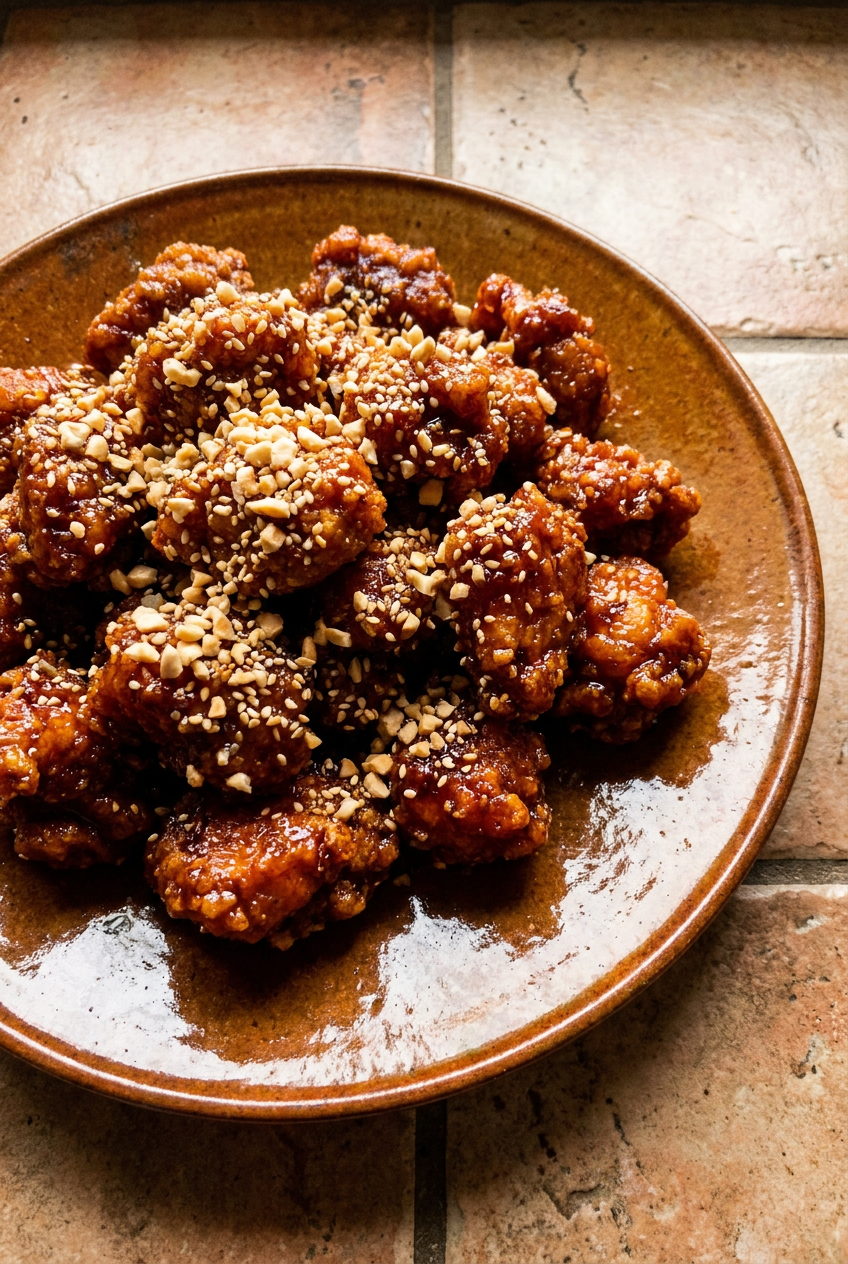
Table of Contents
- Crispy Korean Fried Chicken (Dakgangjeong): Extra-crunchy, double-fried chicken glazed in a sweet-spicy gochujang sauce that will have you reaching for a cold beer.
- Why You Will Love This Crispy Korean Fried Chicken (Dakgangjeong) Recipe
- Your Simple Ingredients for the Perfect Crispy Korean Fried Chicken (Dakgangjeong)
- How to Make Perfect Crispy Korean Fried Chicken (Dakgangjeong)
- Pro Tips and Easy Variations for Your Crispy Korean Fried Chicken (Dakgangjeong)
- Serving Suggestions
- Nutrition Information
- Storage and Make-Ahead Instructions
- Your Crispy Korean Fried Chicken (Dakgangjeong) Questions Answered
- More Incredible Asian Recipes to Try
- The Story Behind This Recipe
- Pin This Recipe for Later
Crispy Korean Fried Chicken (Dakgangjeong): Extra-crunchy, double-fried chicken glazed in a sweet-spicy gochujang sauce that will have you reaching for a cold beer.
I still remember the first time I tried truly crispy Korean fried chicken (dakgangjeong). I was wandering through the busy streets of Myeongdong in Seoul, a gentle drizzle misting the air, when I spotted a tiny stall with a line snaking around the corner. The sound was what drew me in first—a high-pitched crackle from the fryer, followed by the rhythmic thwack of a spatula tossing chicken in a glossy, brick-red sauce. I ordered a small box and found a seat on a nearby ledge, the thin paper cup warm in my hands. That first bite was a revelation: the coating shattered like glass, then gave way to juicy meat, and the sticky sweet-spicy glaze made my lips tingle. Right then I knew I had to learn how to make this at home. It reminded me of the ethereal crunch of fluffy Japanese souffle pancakes I had fallen in love with the year before—both dishes capture a texture so perfect it almost feels magical, but one is savory and one is sweet, each a small wonder of kitchen technique.
This recipe is the result of years of testing and tweaking. What makes it stand out among other fried chicken recipes is the double-fry method combined with a masterful sauce. The first fry gently cooks the chicken and renders some of the fat beneath the skin, while the second, higher-temperature fry drives out every last bit of moisture, creating a crust that stays audibly crunchy even under a blanket of glaze. The sauce itself walks a beautiful tightrope between sweet, savory, and spicy, with gochujang bringing deep, fermented chili warmth, honey and brown sugar smoothing the edges, and a whisper of sesame oil and fresh ginger rounding everything out. Every step is intentional: from drying the chicken thoroughly to resting it between fries, from the exact ratio of cornstarch to flour to the final toss that coats each piece without drowning it. This is not a recipe that cuts corners, and that is exactly why it works so reliably.
This dish is for anyone who craves restaurant-style Korean fried chicken at home, whether you are planning a game-day feast, a casual weekend dinner with a cold beer, or a fun cooking project with friends. Because the chicken can be fried in advance and sauced just before serving, it is surprisingly versatile for entertaining. I have made this crispy Korean fried chicken (dakgangjeong) recipe for birthday parties, New Year’s Eve gatherings, and lazy Sunday afternoons when the craving hits. It is also a wonderful gateway into Korean cooking; once you master the double-fry technique, you will find yourself adapting it to other dishes, and the gochujang sauce becomes a staple you want to spoon over everything from roasted vegetables to grilled meats. If you have been looking for an easy Crispy Korean Fried Chicken (Dakgangjeong) recipe that delivers that shatteringly crisp, flavor-packed experience, you have found it.
Why You Will Love This Crispy Korean Fried Chicken (Dakgangjeong) Recipe
- Unbelievably crispy coating that stays crunchy. The double-fry method creates a thin, crackly crust that holds its texture even after tossing in sauce. Unlike single-fried chicken that softens quickly, each bite here resonates with a satisfying crunch long after you plate it.
- Perfect balance of sweet, spicy, and savory. The gochujang glaze lands just right—not overwhelmingly hot, but with a warmth that builds gently. The honey and brown sugar temper the heat while soy sauce and garlic add deep umami, making it impossible to stop at one piece.
- Approachable technique with stunning results. While this is not a quick weekday meal, each step is straightforward and well explained. You get the same quality you would find at a Korean chicken shop, and the process feels deeply rewarding. Knowing you pulled off that legendary crunch at home is a genuine confidence boost.
- Customizable to your taste and pantry. The recipe is flexible. Swap wings for boneless thighs, dial the heat up or down, or make a soy-garlic version. The core techniques remain the same, and once you understand them you can experiment endlessly with sauces and seasonings.
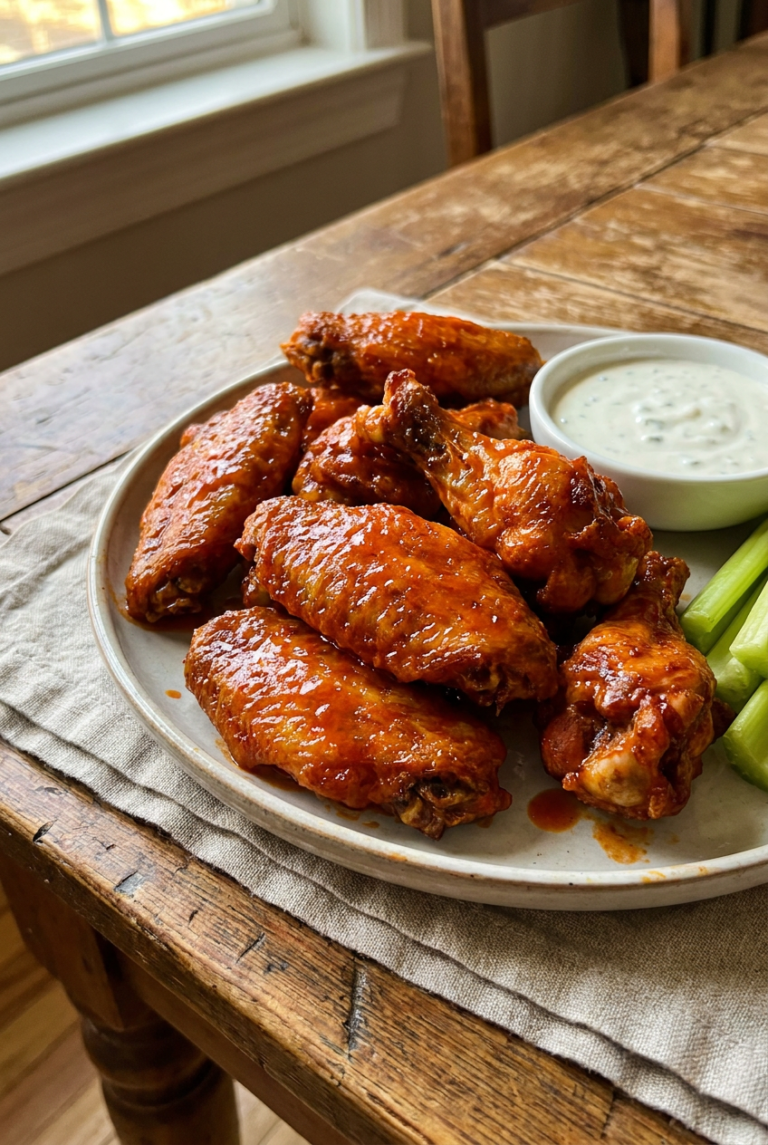
- Perfect for sharing and special occasions. A platter of glossy, sesame-flecked chicken wings instantly turns any gathering into a celebration. It pairs beautifully with cold beer, pickled radish, and light sides, creating a communal, hands-on eating experience that brings everyone together.
- A fantastic introduction to Korean flavors. If you are new to gochujang or Korean cooking, this dish is a delicious starting point. It showcases the iconic fermented chili paste in a way that is accessible and deeply satisfying, encouraging you to explore more of this vibrant cuisine.
Your Simple Ingredients for the Perfect Crispy Korean Fried Chicken (Dakgangjeong)
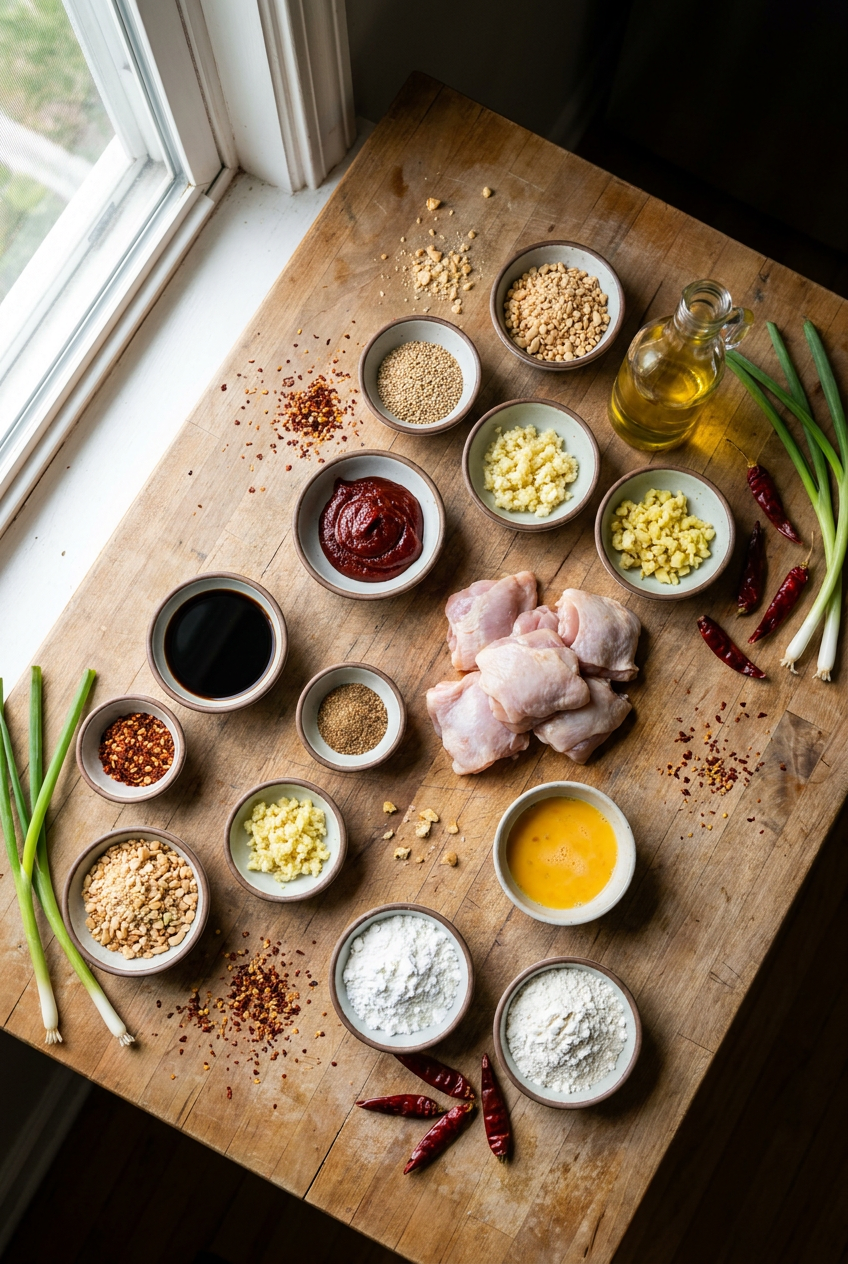
Chicken and Coating
- 2 lbs chicken wings and drumettes (pat dry thoroughly)
- 1 tsp salt
- 1/2 tsp black pepper (freshly ground)
- 1/2 cup cornstarch
- 1/2 cup all-purpose flour
- 1/2 tsp baking powder
Sauce
- 1/4 cup gochujang (Korean red chili paste)
- 2 tbsp soy sauce (low-sodium preferred)
- 2 tbsp honey or agave nectar
- 1 tbsp brown sugar (packed)
- 2 tsp sesame oil (toasted)
- 4 cloves garlic (minced)
- 1 tsp fresh ginger (grated)
- 2 tbsp water (to thin sauce)
For Frying
- 4 cups vegetable or canola oil (enough for 3-inch depth)
Garnish
- 1 tbsp toasted sesame seeds
- 2 stalks green onion (thinly sliced)
Ingredient Notes
Chicken wings and drumettes. I prefer a mix of flats and drumettes because their skin-to-meat ratio is ideal for crispy frying. The smaller pieces cook through quickly during the first fry and develop more surface area for sauce. Buy them whole and separate them yourself if you like, but pre-cut pieces save time. Make sure the chicken is extremely dry before coating; moisture is the number one enemy of a crunchy crust. If you must use other cuts, boneless chicken thighs cut into 2-inch chunks work wonderfully, while breast can dry out so keep a close eye on internal temperature.
Cornstarch and flour blend. The combination of cornstarch and all-purpose flour is the secret to a light, brittle crust that shatters effortlessly. Cornstarch inhibits gluten formation and absorbs less oil, while a small amount of flour provides structure and helps the coating adhere. Baking powder lightly leavens the crust, creating micro-bubbles that enhance crispness. Do not substitute one for the other completely; the blend is essential. If you only have rice flour, you can use it in place of cornstarch for a similar effect, but I find the cornstarch version to be superior.
Gochujang. This fermented Korean chili paste is the heart of the sauce, bringing complex heat, a touch of sweetness, and a deep savory funk. Look for it in the Asian aisle of well-stocked grocery stores or at a Korean market. There are many brands, and heat levels can vary, so taste your paste before measuring. If you cannot find gochujang, a mixture of miso paste and sriracha can approximate the flavor in a pinch, but the result will not be quite the same. Store any leftover gochujang in the fridge and use it in stews, marinades, or as a dipping sauce base.
Sesame oil. Toasted sesame oil adds a nutty, aromatic finish that makes the sauce taste complete. A little goes a long way, so stick to the measured amount. Do not use regular sesame oil meant for high-heat cooking; the toasted variety is what you need for that distinct fragrance. If you are allergic to sesame, a very small amount of roasted peanut oil can provide a similar nuttiness, though the flavor profile will shift slightly.
How to Make Perfect Crispy Korean Fried Chicken (Dakgangjeong)
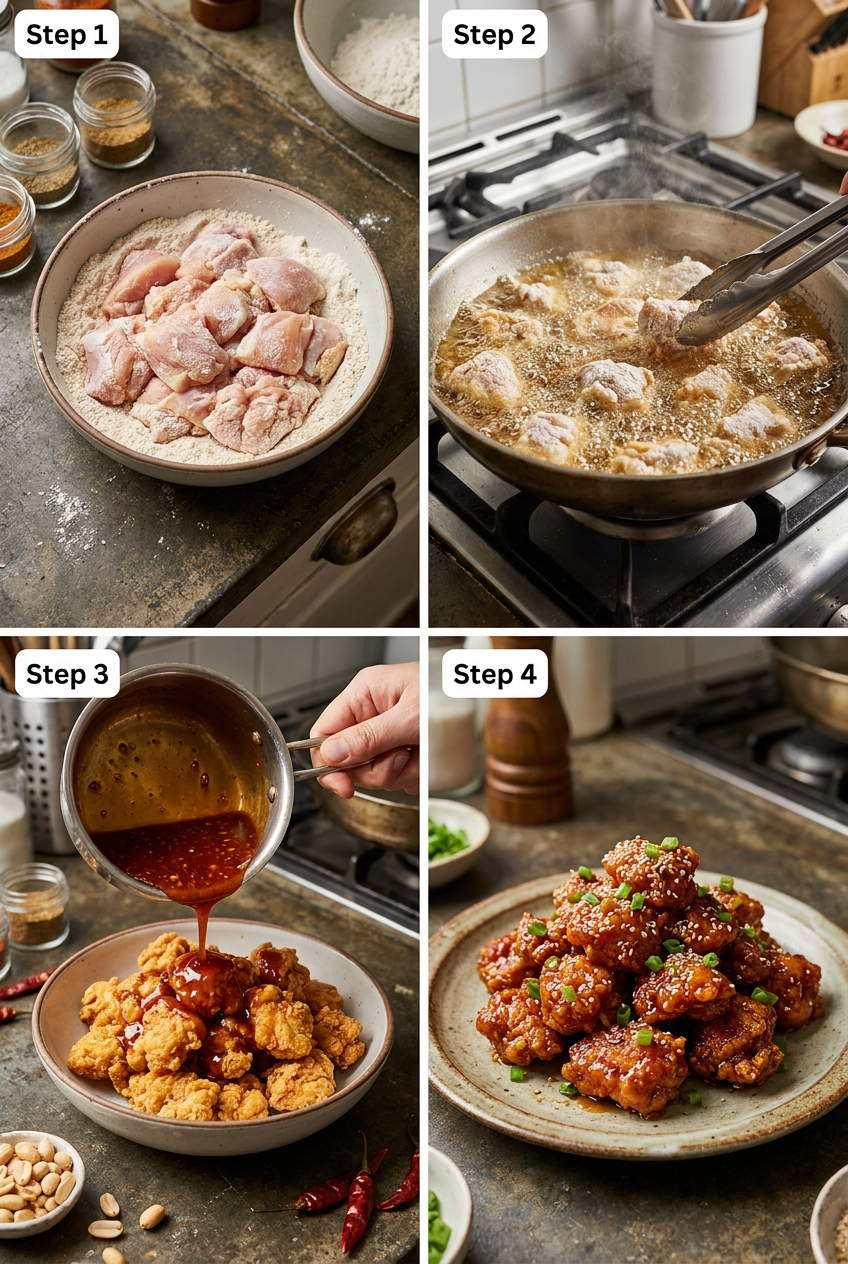
Phase 1: Prepare the Chicken and Coating
Start by patting the chicken pieces as dry as you possibly can with paper towels. Any residual moisture will steam during frying, creating a barrier between the meat and the crust and preventing that glass-like snap. In a large bowl, toss the dried chicken with salt and freshly ground black pepper until every piece is evenly coated. In a separate shallow dish, whisk together cornstarch, all-purpose flour, and baking powder until no lumps remain. Dredge each piece of chicken in the flour mixture, pressing gently to help it adhere, then shake off all excess. Place the coated pieces on a wire rack set over a baking sheet, making sure they do not touch. Let the chicken sit at room temperature while you heat the oil; this brief rest allows the coating to hydrate slightly and form a better bond with the skin. Pro tip: If you have time, leave the coated chicken uncovered in the refrigerator for 30 minutes. The cold, dry air further desiccates the surface, resulting in an even more shattering crust later.
Phase 2: Make the Sauce
In a small saucepan, combine gochujang, soy sauce, honey, brown sugar, toasted sesame oil, minced garlic, and grated fresh ginger. Stir in the water to loosen the mixture, then place the pan over medium heat. Bring it to a gentle simmer, stirring constantly so the sugars do not burn at the bottom. Once small bubbles appear around the edges, reduce the heat to low and let it cook for 3 to 4 minutes, until the sauce thickens just enough to coat the back of a spoon. Remove from heat and set aside. The sauce will continue to thicken slightly as it cools, so aim for a consistency that is pourable but not runny. Pro tip: Taste the sauce at this stage and adjust it to your liking. If you want more heat, whisk in a pinch of gochugaru (Korean chili flakes). For a brighter note, add a small splash of rice vinegar. Trust your palate—this is your signature version.
Phase 3: First Fry (Low Temperature)
Pour your frying oil into a large, heavy-bottomed pot or deep fryer, filling it to a depth of about 3 inches. Attach a deep-fry thermometer to the side and heat the oil to 330°F (165°C). It is crucial to maintain this temperature precisely; too hot and the coating will burn before the chicken cooks, too low and the crust will absorb oil and turn greasy. Fry the chicken in batches, resisting the urge to overcrowd the pot. Each batch will take about 6 to 7 minutes, and you are looking for a pale golden color and an internal temperature that hits 165°F (74°C) when a thermometer is inserted into the thickest part without touching bone. Transfer the fried chicken to a clean wire rack set over a baking sheet. Do not place them on paper towels at this stage, as the steam will soften the bottom crust. Let the chicken rest for at least 10 minutes. You will notice steam escaping—this is exactly what you want, as it releases internal moisture that would otherwise turn the crust soggy during the second fry.
Phase 4: Second Fry (High Temperature for Ultimate Crunch)
Once all the chicken has rested, increase the oil temperature to 375°F (190°C). Fry the rested chicken again in batches for 5 to 7 minutes, until the coating turns a deep, rich golden brown and the skin becomes audibly crisp. You will hear the sizzle shift to a higher, sharper pitch—a sure sign that the last of the moisture is escaping and the crust is setting into its final, shatteringly crunchy state. Just as the precise batter of my blueberry lemon ricotta pancakes depends on exact ratios and careful heat, this second fry relies on elevated temperature and timing to achieve its signature texture. Drain the finished chicken on a fresh wire rack or a layer of clean paper towels, but if using paper towels, do not leave them long; transfer to a rack quickly to keep the underside from steaming.
Phase 5: Glaze and Garnish
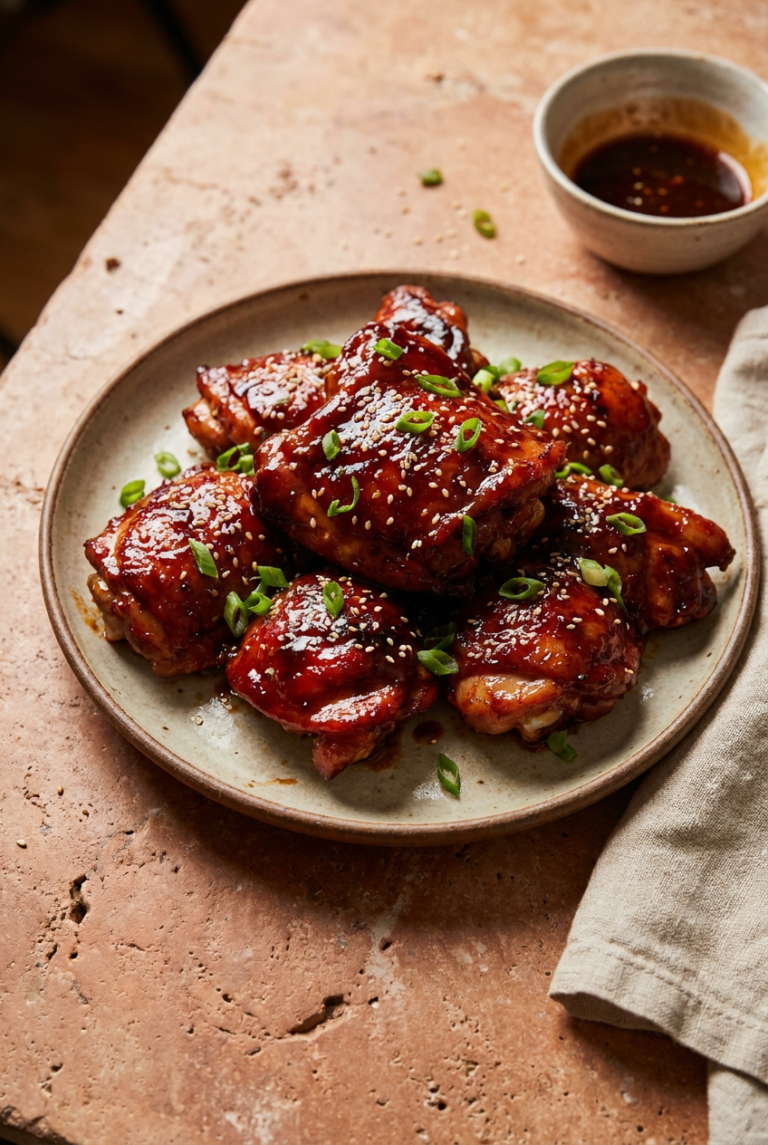
While the chicken is still piping hot, place it in a large, clean mixing bowl. Pour the warm sauce over the top, then gently toss with a flexible spatula until every piece is evenly coated. Move quickly but gently to avoid breaking the crust. Transfer the glazed chicken to a serving platter, sprinkle generously with toasted sesame seeds, and scatter the thinly sliced green onions over the top. Pro tip: If you plan to serve the chicken over time, keep the sauce separate and let guests dip each piece. This preserves the crunch longer, as sauced chicken will slowly soften if it sits in a bowl for more than 10 or 15 minutes. For the best homemade Crispy Korean Fried Chicken (Dakgangjeong) from scratch experience, glaze right before your guests arrive and watch it disappear.
Pro Tips and Easy Variations for Your Crispy Korean Fried Chicken (Dakgangjeong)
Pro Tips
- Dry the chicken aggressively. Use multiple paper towels and press firmly. Even a little bit of moisture will steam the coating and prevent it from adhering properly. If you have time, let the salted chicken sit uncovered in the fridge for an hour before coating to draw out even more surface moisture.
- Never skip the rest between fries. That ten-minute pause allows the internal steam to escape and the crust to firm up. If you go straight into the second fry, the trapped moisture will immediately soften the coating and you will lose the hallmark crispiness that makes this best Crispy Korean Fried Chicken (Dakgangjeong) recipe so special.
- Maintain oil temperature with vigilance. Use a clip-on thermometer and adjust your burner heat as you add chicken. The oil temperature will drop by 15 to 20 degrees when you add a batch, so you may need to increase the flame briefly, then lower it again to avoid overshooting. Constant attention here is the single biggest factor in a consistently crunchy result.
- Make the sauce just before you need it. The gochujang sauce thickens as it sits and can become gluey. Reheat it gently with a splash of water if it firms up too much before tossing. A warm sauce coats more evenly and clings to the chicken without sliding off.
- Toss with a spatula, not your fingers. The chicken is hot and the sauce is sticky. A large silicone spatula allows you to turn the pieces without damaging the fragile crust. Use a gentle folding motion rather than stirring, which can knock off the coating.
Delicious Variations
- Soy-Garlic Korean Fried Chicken. Omit the gochujang entirely. Increase soy sauce to 3 tablespoons, add 2 extra minced garlic cloves, and use 1 tablespoon honey plus a pinch of black pepper. Drizzle a little extra toasted sesame oil at the very end for a glossy, aromatic finish.
- Extra Spicy Dakgangjeong. Stir 1 or 2 teaspoons of gochugaru into the sauce along with a few slices of fresh red chili. For a truly fiery version, add a small amount of capsaicin extract or use a spicy gochujang brand. Serve with a cooling cucumber salad on the side.
- Oven-Baked Crispy Korean Chicken. Coat the chicken as directed, then arrange on a wire rack over a baking sheet. Spray generously all over with cooking oil. Bake at 425°F (220°C) for about 35 to 40 minutes, turning the pieces halfway through, until deeply golden and crisp. Toss in the sauce immediately after baking. This version won’t achieve the identical shatter, but it is a solid alternative when you want to avoid deep frying.
- Honey Butter Korean Fried Chicken. Replace the gochujang sauce with a simple mixture of melted butter, honey, a pinch of salt, and a generous dusting of garlic powder. Toss the hot double-fried chicken in this sweet, buttery glaze for an entirely different but equally craveable treat. For a fun twist, consider how well these Korean flavors pair with other global dishes; the same sweet-salty interplay also shines in my Moroccan chicken tagine, where honey and warm spices create a similarly satisfying balance.
Serving Suggestions for a Perfect Dinner
In Korea, crispy fried chicken almost always comes with chicken-mu, a crunchy, tangy pickled radish that cuts through the richness of the glaze. I highly recommend picking up a jar at a Korean market or making a quick version at home with cubed daikon, rice vinegar, sugar, and salt. Pour cold beer—a crisp lager is traditional—or chilled soju into small glasses, and arrange the chicken on a platter with a pile of paper napkins nearby. A light cucumber salad tossed with rice vinegar, a pinch of sugar, and sesame seeds adds a refreshing contrast and keeps the meal from feeling heavy. If you want a more substantial spread, serve the chicken alongside sticky white rice and a side of kimchi for a satisfying, casual dinner.
This dish shines at game-day gatherings, birthday parties, and late-night snacks with friends. Because the chicken can be fried ahead and sauced at the last moment, it works beautifully for entertaining. To scale the recipe, double the batches and keep already-fried chicken warm in a 200°F oven on a wire rack while you finish the rest. Then, right before guests arrive, quickly re-fry just a few pieces at a time or toss everything with the sauce and serve immediately. The interactive nature of pulling wings from a shared platter and licking your fingers makes it perfect for building a relaxed, joyful atmosphere around the table.
Nutrition Information
(Approximate per serving, 4 servings total) Calories: 480, Fat: 24g, Carbohydrates: 35g, Protein: 28g, Fiber: 1g, Sodium: 820mg. Nutritional values are estimates only and will vary based on exact ingredients used and portion sizes.
Storage and Make-Ahead Instructions
- Refrigerator: Store leftover sauced chicken in an airtight container for up to 4 days. The crust will soften, but the flavor remains excellent. Reheat properly to restore some crunch.
- Freezer: Freeze unsauced fried chicken in a single layer on a baking sheet until solid, then transfer to a zip-top freezer bag for up to 3 months. Sauce and fresh garnish should be added only after thawing and reheating.
- Reheating: For best results, microwave leftover chicken for about 2 minutes to warm it through, then place it in a preheated 350°F oven or air fryer for 3 to 4 minutes. This two-step method drives off surface moisture and re-crisps the exterior remarkably well.
- Make-Ahead: You can coat the chicken and leave it on a wire rack in the fridge up to 4 hours ahead. The sauce can be made a day in advance and gently reheated. Frying ahead works too: double-fry the chicken completely, let it cool, and then re-crisp it in a 375°F oven for 5 to 7 minutes before saucing.
Your Crispy Korean Fried Chicken (Dakgangjeong) Questions Answered
- Why does my chicken turn soggy after saucing? The double-fry creates a structural crust, but any sauced fried chicken will soften over time. To keep maximum crispness, either toss with sauce just before eating or serve the sauce on the side for dipping. For the crunchiest experience, sauce only what you plan to eat immediately.
- Can I use chicken breasts instead of wings? Yes, cut boneless, skinless breasts into 2-inch chunks. Reduce the first fry time to 4 to 5 minutes and always check that the internal temperature reaches 165°F (74°C) to avoid dryness. Breasts will be less juicy than dark meat, so monitor closely.
- What’s the best oil for frying? Neutral oils with a high smoke point are ideal. Canola, vegetable, peanut, or grapeseed oil all work wonderfully. Avoid olive oil, which burns and imparts a strong flavor at the high temperature needed for the second fry.
- I can’t find gochujang. What can I substitute? A combination of 3 tablespoons miso paste, 1 tablespoon sriracha, and 1 teaspoon sugar comes close to mimicking the fermented chili heat and savory depth. The flavor will not be identical, but it works in a pinch. Consider ordering gochujang online; it keeps for months in the fridge.
- Do I really need a thermometer? It is highly recommended. Guessing oil temperature leads to inconsistent results. An inexpensive clip-on deep-fry thermometer takes the guesswork out and ensures your first fry doesn’t overcook the chicken and your second fry delivers that legendary crispness.
- Can I make this gluten free? Yes, replace the all-purpose flour with a gluten-free flour blend and use tamari instead of soy sauce. Double-check that your gochujang is gluten free, as some brands contain wheat. The cornstarch already provides a very crisp crust without gluten.
- How do I double the recipe for a crowd? Fry in batches as directed, keeping already-fried chicken warm in a 200°F oven on a wire rack. Sauce only what you will serve immediately, and keep extra sauce warm for guests to add as they like. Plan for more oil and a longer total cooking time, but the process remains the same.
- My sauce turned out too thick and sticky. How can I fix it? Thin it with a splash of warm water while reheating over low heat. Stir constantly until it reaches a pourable glaze consistency. Next time, reduce the simmering time by a minute or add a bit more water from the start.
More Incredible Asian Recipes to Try
If the bold, layered flavors of this crispy Korean fried chicken (dakgangjeong) recipe captured your heart, you are in for a treat with other Asian dinner classics. Japanese karaage offers a similarly crispy exterior but with a lighter, soy-ginger marinade and a simpler flourish of lemon. It is a wonderful next step if you want to practice the double-fry technique in a different context. Thai basil chicken (pad kra pao) is another quick, aromatic dish that balances heat, sweetness, and savory depth in a single sizzling skillet, served over rice with a fried egg on top. And if you fell in love with the gochujang glaze here, you might enjoy trying Korean BBQ at home: marinated bulgogi or spicy pork cooked at the table and wrapped in lettuce leaves delivers all the interactive fun with an entirely different texture profile.
For a complete Korean-inspired feast, pair this chicken with a silky seafood pancake (haemul pajeon) or a bubbling pot of soft tofu stew (sundubu jjigae). Each of these recipes shares the same spirit of balance—the interplay of spicy, salty, sweet, and fermented notes that makes Korean cuisine so endlessly craveable. Once you start exploring these dishes, you will find your pantry slowly filling with staples like gochujang, sesame oil, and soy sauce, ready to bring deep, satisfying flavor to your table any night of the week.
The Story Behind This Crispy Korean Fried Chicken (Dakgangjeong)
Dakgangjeong has roots that stretch deep into Korean food culture, evolving from traditional court dishes and home cooking into the wildly popular street food and pub snack it is today. The term “gangjeong” originally referred to a type of sweet, chewy confectionery made from glutinous rice, honey, and seeds. When applied to chicken, it captures the essence of a glossy, sticky coating that clings to each piece like a delicate candy shell. The modern version we know and love began to take shape in the 1970s and 80s, as fried chicken shops proliferated across South Korea, each putting their own spin on
Crispy Korean Fried Chicken (Dakgangjeong)
Ingredients
Method
- Pat the chicken pieces very dry with paper towels. In a large bowl, toss chicken with salt and black pepper until evenly coated. In a separate shallow dish, whisk together cornstarch, flour, and baking powder. Dredge each piece in the flour mixture, shaking off excess, and place on a wire rack. Let sit while oil heats.
- In a small saucepan over medium heat, combine gochujang, soy sauce, honey, brown sugar, sesame oil, garlic, and ginger. Stir in water and bring to a gentle simmer, then reduce heat to low and cook for 3-4 minutes until thickened slightly. Remove from heat and set aside.
- Heat oil in a large heavy-bottomed pot or deep fryer to 330°F (165°C). Working in batches so as not to crowd the pot, fry chicken pieces for 6-7 minutes until just cooked through (internal temperature reaches 165°F/74°C) and lightly golden. Transfer to a wire rack set over a baking sheet and let rest for at least 10 minutes.
- Increase oil temperature to 375°F (190°C). Fry the rested chicken again in batches for 5-7 minutes until deeply golden and the skin is shatteringly crisp. Drain on fresh paper towels or a clean wire rack.
- While chicken is still hot, place it in a large clean bowl. Pour the warm sauce over the top and gently toss with a spatula until each piece is evenly coated. Transfer to a serving platter and scatter generously with sesame seeds and sliced green onions.
Disclosure: This post may contain affiliate links. If you purchase through our links we may earn a small commission at no extra cost to you.
If you made this Crispy Korean Fried Chicken (Dakgangjeong), please leave a comment below and let me know how it turned out.